
Most real estate agents are wasting their marketing budgets in the wrong places. While 96% of buyers start their search online, one channel alone drives 403% more inquiries than any other, yet remains severely underfunded. Here’s where your dollars should actually go.
Key Takeaways
- Real estate agents should spend 7%-12% of their Gross Commission Income (GCI) on marketing in 2026, with growth-phase agents pushing toward 15% in competitive markets.
- A proven budget breakdown allocates roughly 40% to digital advertising, 20% to content and SEO, 15% to local branding, and 15% to CRM and lead nurture.
- Listings with professional video receive 403% more inquiries – yet video remains one of the most underused channels in real estate marketing.
- Agents using five or more marketing channels report an average GCI of $4 million, making channel diversification one of the strongest predictors of higher earnings.
- Keep reading to see exactly how to map every dollar to the right stage of the buyer’s journey – and which high-ROI channels most agents are still ignoring.
Every dollar in a real estate marketing budget is either working or wasting. With competition tightening and buyer behavior shifting almost entirely online, knowing where to spend – not just how much – separates top producers from agents who stay busy without staying profitable.
96% of Buyers Start Online – Is Your Budget Where They Are?
In 2026, 96% of home buyers begin their property search online, with a significant share of those first sessions happening on mobile devices. That single statistic reframes every budget conversation. If the overwhelming majority of buyers are scrolling listings, watching walkthroughs, and reading neighborhood guides on their phones before ever contacting an agent, a marketing budget still weighted toward print mailers or sporadic social posts is simply misaligned with reality.
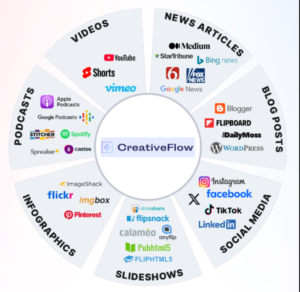
A strong digital presence is no longer a nice-to-have – it is the price of entry. Fredette Creative Media / Creative Flow works with real estate professionals on exactly this kind of strategic channel alignment. Agents looking for a structured starting point can request a personalized content and marketing proposal at creativeflow.clientcabin.com/app/proposal.
How Much Should You Actually Spend?
Before breaking down where the money goes, it helps to establish how much there should be in the first place.
The GCI Percentage Benchmark
The most widely used benchmark in real estate is a percentage of Gross Commission Income. Current industry guidance for 2026 puts the healthy range at 7% to 12% of GCI – a slight upward shift from the older 5%-10% standard that reflects increased competition across most markets. An agent earning $200,000 in GCI, for example, would be looking at a marketing budget somewhere between $14,000 and $24,000 annually.
Growth Phase vs. Established Agent
Where an agent falls within that range depends on their goals and market position. Established agents with a strong referral pipeline and brand recognition can often operate effectively at the lower end. Agents in active growth phases – building a new farm area, entering a competitive luxury market, or launching a team – should plan for 10% to 15% to generate the volume and visibility needed to gain traction faster. Underspending during a growth phase is one of the most common reasons agents plateau early.
A Proven Budget Breakdown by Channel
Once the total budget is set, the next question is how to divide it. A widely cited allocation framework breaks the budget into six categories, each serving a distinct function in the marketing ecosystem.
Digital Advertising: The Largest Slice
40% of the budget goes to digital advertising – paid search, social ads, display retargeting, and listing promotion. This is the highest-cost category because it is also the most direct path to generating new leads. Paid ads create immediate visibility and can be targeted with precision by geography, demographics, and search intent. The trade-off is that this traffic stops the moment spending stops, which is why digital ads work best when supported by the channels below.
Content, SEO, and Local Branding
20% to content and SEO, and 15% to local branding, combine for more than a third of the total budget. Content marketing and search engine optimization build compounding visibility over time. A well-optimized neighborhood guide published today can generate organic leads for years. Local branding spend – sponsorships, community presence, direct mail in a farm area – reinforces name recognition with the specific zip codes an agent actually serves. Together, these channels handle the long-game work that paid ads cannot.
CRM, Nurture, and Client Retention
15% to CRM and lead nurture, plus 3% to client retention, acknowledges something many agents undervalue: the leads already in the database are often more valuable than new ones. A CRM with automated, behavior-triggered follow-up sequences keeps warm leads engaged until they are ready to act. Retention spending – client appreciation events, anniversary touches, referral programs – converts past clients into a repeat and referral engine. The remaining 7% covers photography and design, the visual assets that make every other channel perform better.
Highest-ROI Channels Agents Underuse
Budget allocation is only part of the equation. Knowing which channels deliver the strongest return – and making sure they are actually funded – is where many real estate marketing budgets break down.
Referrals, SEO, and Email
Referrals, organic search, and email marketing consistently rank as the highest-ROI channels in real estate, primarily because their cost per lead is low and their conversion rates are strong. Email marketing outperforms social media by 40% in conversion rate. Segmented, behavior-triggered email sequences can achieve meaningful conversion rates – industry estimates typically range between 1% and 8% depending on list quality and sequence structure – yet many agents either skip email automation entirely or treat it as an afterthought. Allocating even a modest portion of the nurture budget to a well-structured email system pays measurable dividends.
Video: 403% More Inquiries
The video gap in real estate is striking. Listings that include professionally produced video content receive 403% more inquiries than those without it. Despite these numbers, video remains one of the most underfunded line items in most agents’ budgets. Even a small reallocation – shifting a portion of print or static social spend toward video production – can produce a disproportionate lift in listing performance and overall brand authority.
Paid Ads: Google vs. Facebook vs. Instagram
Within the digital advertising slice of the budget, three platforms dominate most real estate paid strategies – and each serves a different purpose.
Cost Per Lead and Conversion Reality
Google Ads are built for capturing high-intent buyers and sellers who are actively searching. Someone typing “3-bedroom homes for sale in [city]” is already in the market – Google puts a listing or landing page in front of them at exactly the right moment. The cost per lead is higher than social, but conversion quality tends to be stronger.
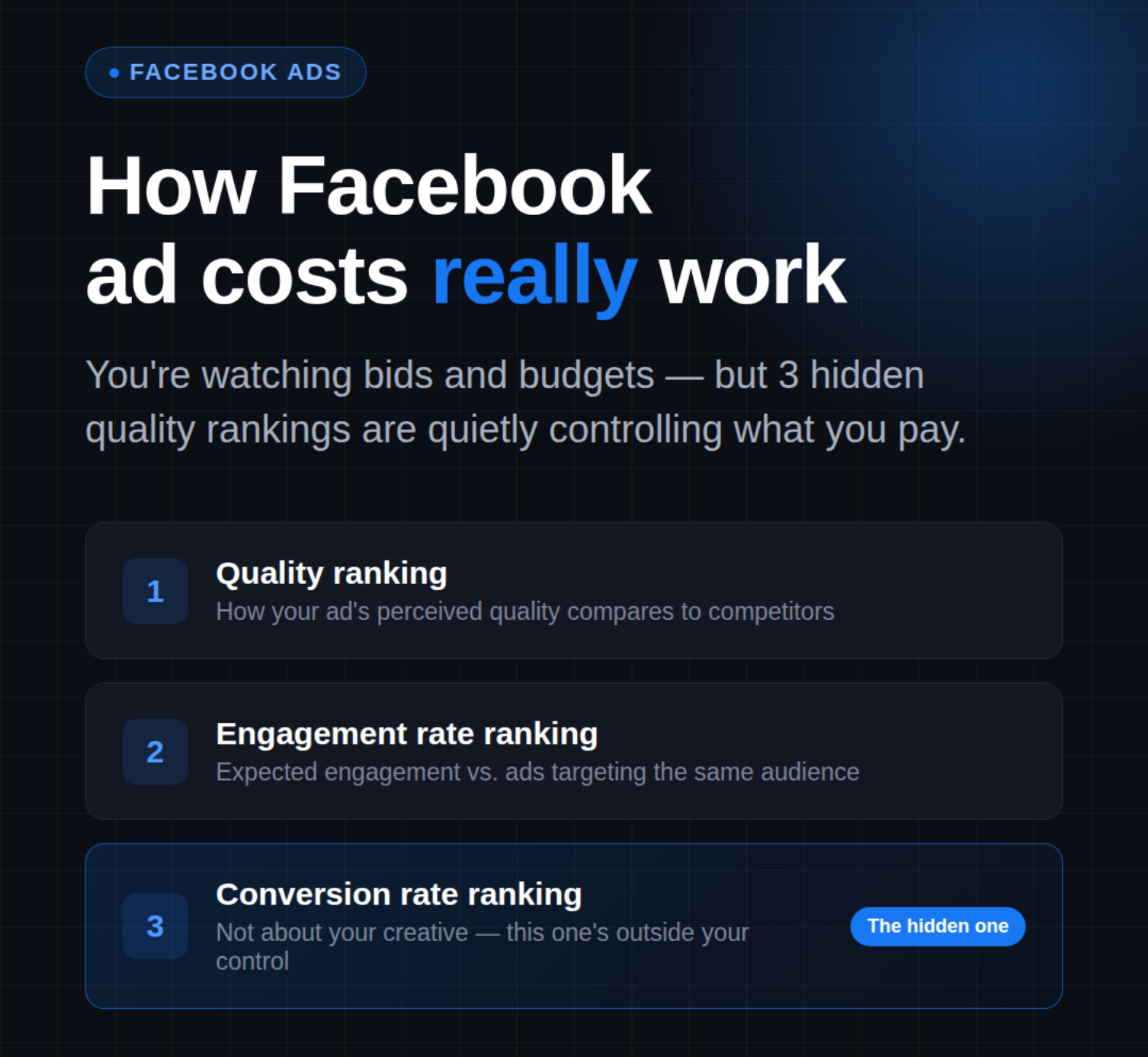
Facebook generates leads at roughly $5-$25 per lead, while Instagram runs slightly higher at $15-$40. Both platforms excel at relationship-building through visual storytelling and precise demographic targeting – ideal for brand awareness, listing promotion, and staying top-of-mind with past clients and warm leads. The trade-off is that social leads typically convert at just 1%-3% and require consistent nurturing before they are transaction-ready. The practical takeaway: Google closes faster, social builds broader reach, and the two work best together rather than competing for the same budget line.
Match Every Dollar to the Buyer’s Journey
Awareness, Consideration, and Decision Spend
One of the most practical frameworks for real estate budget allocation is mapping spend to the three stages every buyer and seller moves through before signing.
- Awareness: Buyers who do not yet know an agent exists. Spend here goes to SEO content, social media, video, and local branding – channels that build recognition at scale.
- Consideration: Leads who are actively evaluating options. This is where retargeting ads, email nurture sequences, and CRM automation do their best work, keeping an agent’s name present while a prospect compares choices.
- Decision: Ready-to-act buyers and sellers. Google Ads, direct outreach, and one-on-one follow-up convert consideration into commission. Spend at this stage should be tight and high-intent.
Agents who skip the awareness and consideration stages and spend exclusively on bottom-funnel tactics end up competing for the same small pool of ready-now leads – driving up costs and limiting growth. A budget balanced across all three stages builds a healthier, more predictable pipeline.
More Channels, More Commissions
The data on channel diversification is hard to ignore. Agents using five or more marketing channels report an average GCI of $4 million – a figure that reflects not just higher spending, but smarter, more coordinated spending. No single channel carries a real estate business. Google Ads alone will not build a referral network. Email alone will not generate new leads. Video alone will not convert without a follow-up system behind it.
Agents consistently earning at the highest levels treat their marketing budget like a portfolio: diversified, intentional, and regularly reviewed against actual performance data. The budget allocation frameworks outlined here are starting points, not rigid rules. Track cost per lead by channel, monitor conversion rates through the pipeline, and shift dollars toward what is working. A marketing budget reviewed quarterly will always outperform one that gets set once and forgotten.
For real estate professionals ready to build a more strategic, multi-channel marketing presence, Fredette Creative Media offers content strategy and digital marketing solutions designed to help agents grow their visibility and generate consistent leads across the right channels.