Most real estate agents waste money betting everything on digital ads or traditional marketing alone. But here’s the problem: 90% of buyers use online tools, yet traditional methods still reach the buyers digital completely misses. The winning combination might surprise you.
Key Takeaways
- 90% of home buyers use online tools during their search, making digital advertising essential – but not the only tool that matters.
- Traditional advertising still builds local trust and reaches offline buyers that digital campaigns miss entirely.
- Agents who combine both channels consistently outperform those who rely on just one approach.
- Ad fatigue and click fraud are real threats to digital-only strategies and need to be accounted for in any media plan.
- Omnichannel execution – managing digital and traditional together – is where the strongest ROI lives, and platforms like Choozle make that easier to execute.
The debate between digital and traditional advertising is not about which one wins. It is about understanding what each one actually does well. For real estate agents working in a competitive local market, the right advertising mix can mean the difference between a packed open house and a listing that sits untouched. Here is a clear-eyed look at both sides.
Most Buyers Use the Internet – But Not Always First
A striking 90% of home buyers use online tools at some point during their search. That number gets cited constantly, and it should – it signals that digital presence is not optional. But “at some point” is doing a lot of work in that sentence. Many buyers still hear about a neighborhood from a neighbor, spot a yard sign, or receive a postcard before they ever open a browser. The internet confirms and deepens interest; it does not always create it.
Digital advertising performs well at the awareness and consideration stages, but traditional advertising often plants the first seed. Agents who dismiss either channel leave real opportunities on the table. Fredette Creative Media works through exactly this tension – helping agents determine which mix of channels actually drives results in their specific market. More on that at fredettecreativemedia.info.
Why Digital Advertising Fits Real Estate
Real estate is inherently local, visual, and time-sensitive – and digital advertising checks all three boxes. It is measurable, adjustable, and scalable in ways that print and direct mail simply are not.
Precise Geographic and Demographic Targeting
Geographic targeting lets agents focus ad spend down to a specific ZIP code, neighborhood, or radius around a listing. Pair that with demographic filters – household income, age range, life stage – and the message reaches people who are actually in a position to buy or sell. That precision reduces wasted impressions and stretches smaller budgets further than a general print run ever could.
Lower Cost-Per-Lead vs. Traditional Channels
Digital channels generally offer a lower cost-per-lead compared to traditional options, especially for initial lead capture. Pay-per-click and paid social models mean agents only spend when someone actually engages with the ad. Traditional methods like magazine placements or direct mail carry flat costs regardless of response – making ROI harder to measure and much easier to overspend on.
Social Media and Video Drive Property Engagement
Platforms like Facebook and Instagram are well-suited for real estate. Visual content – especially video – performs exceptionally well. Virtual property tours, neighborhood walkthroughs, and short agent introduction clips drive significantly more engagement than static images. Email marketing rounds this out, allowing agents to stay in front of leads over weeks or months with personalized follow-ups that nurture relationships without being intrusive.
The Real Downsides of Digital Ads

Digital advertising has genuine weaknesses. Ignoring them leads to wasted budgets and false confidence in campaign results.
Traffic Quality and Click Fraud Risks
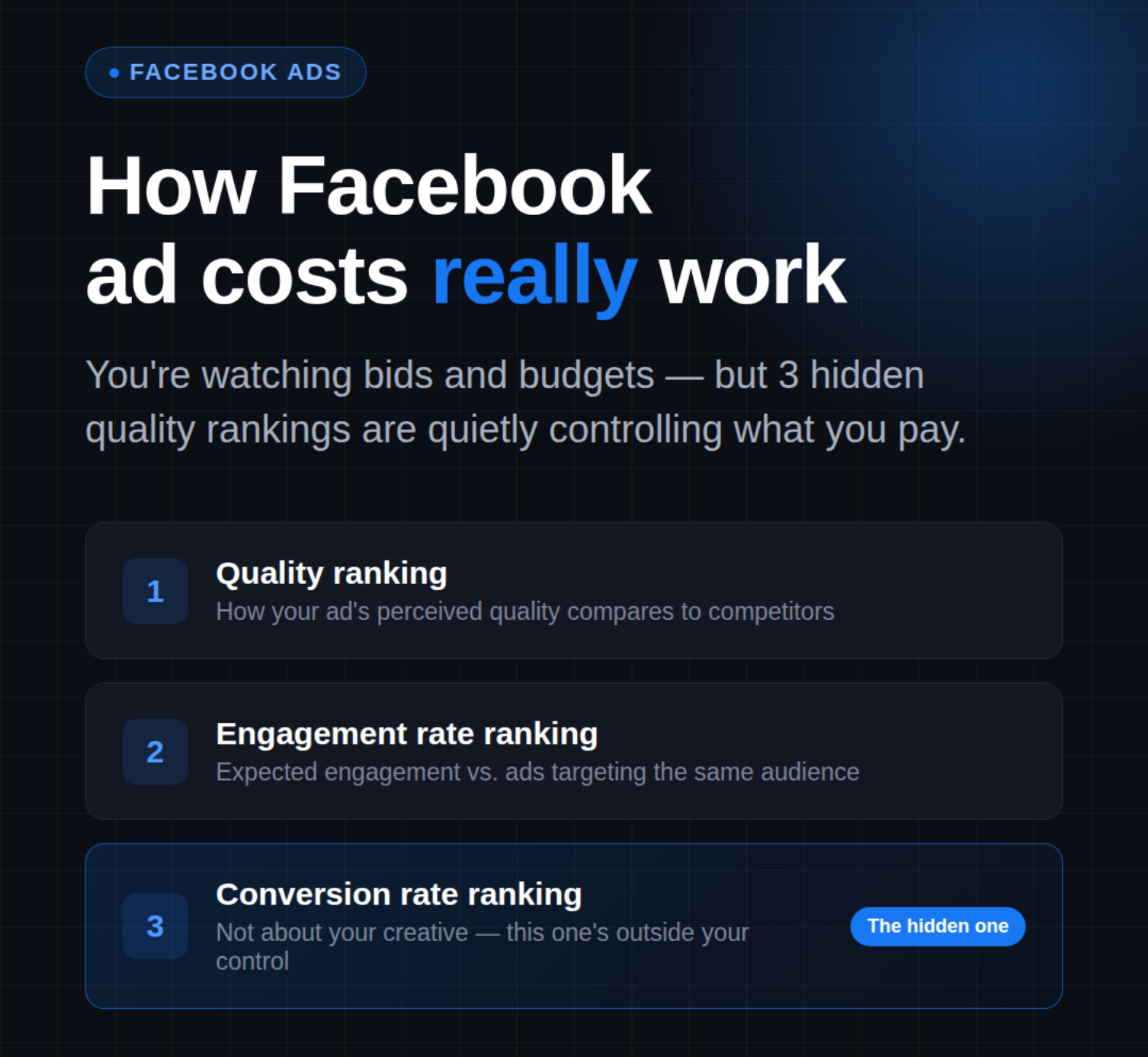
Clickthrough rate is a poor indicator of actual campaign quality on its own. Bots can artificially inflate clicks, giving agents distorted data about reach and interest. Beyond fraud, even legitimate clicks do not guarantee intent – someone might tap a listing ad out of curiosity with no real purchase consideration behind it. Tracking tools help, but they require active interpretation rather than passive trust.
Ad Fatigue Is a Growing Problem
Audiences are increasingly numb to digital ads. A HubSpot survey found that 64% of ad blocker users say they block ads because they find them annoying or intrusive, and 54% say ads disrupt what they are doing. Repeatedly targeting the same user with the same message can generate negative brand associations – the opposite of what any agent wants. Frequency caps, creative rotation, and channel variety all help, but they require ongoing management.
Where Traditional Advertising Still Wins
Traditional advertising fills gaps that digital simply cannot, particularly in real estate.
Local Trust and Brand Credibility
Traditional advertising formats – print ads, direct mail, and local sponsorships – carry an implicit credibility that digital ads rarely match. They signal stability and community investment in a way that a social media ad does not. Research consistently shows that consumers rate traditional advertising formats among the most trusted. Open house signs and community event sponsorships build local brand recognition over time, and that recognition translates directly into referrals and repeat business.
Reaching Offline Buyers and Sellers
Not every buyer or seller spends hours scrolling through social media. Older demographics – who often control significant real estate assets – may rely more heavily on print, local radio, or direct mail as their primary information sources. A postcard campaign targeted to a specific neighborhood can reach homeowners who would never see a digital retargeting ad. Traditional methods also reinforce digital touchpoints, boosting overall recall when both channels are used together.
Traditional Advertising’s Costly Limitations
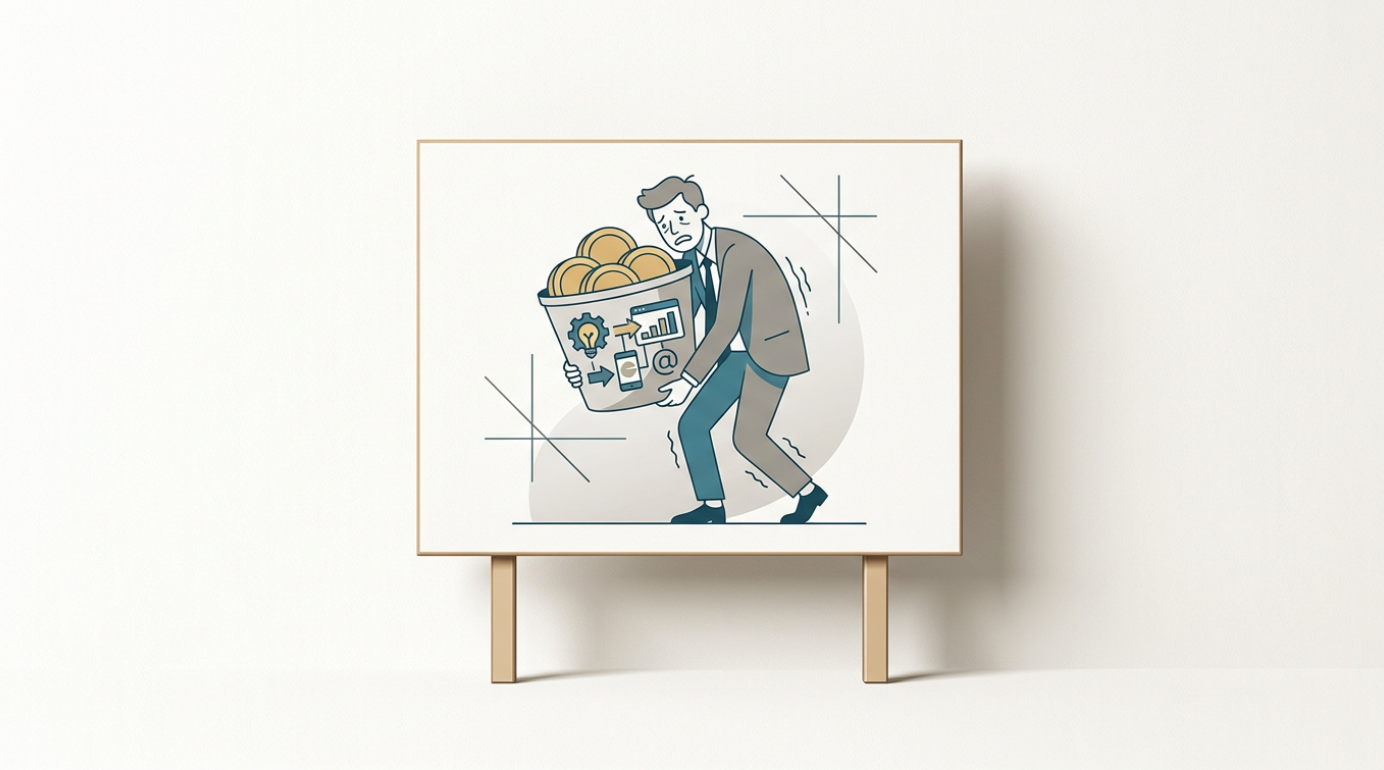
The downsides are real and should not be minimized. Traditional advertising is expensive relative to the measurability it offers. A magazine ad or a direct mail campaign involves significant upfront cost with no guarantee of response – and no clean way to track which leads came from which piece. Segmentation is limited. Turnaround times are slow. There is also no mechanism to follow up with someone who showed interest but did not convert. Digital advertising handles all of those things natively. For agents operating on tight marketing budgets, traditional channels require careful prioritization rather than blanket spending.
Combined Strategies Deliver the Highest ROI
Research consistently shows that agents who combine digital and traditional marketing strategies outperform those who rely on a single channel. The two approaches reinforce each other in a way that neither can replicate alone. Traditional advertising builds brand recall; digital advertising converts that awareness into action.
How Omnichannel Execution Works in Practice
An effective omnichannel approach for a real estate agent might look like this:
- Awareness: Direct mail postcard to a target neighborhood combined with Facebook and Instagram ads served to the same geographic area.
- Consideration: Video walkthrough of the listing promoted via YouTube and Instagram Reels, plus email follow-up to existing contacts.
- Decision: Retargeting ads served to website visitors, paired with a local open house sign featuring a QR code linking to a digital property tour.
Each channel reinforces the others. The postcard prompts someone to search online. The digital ad reminds them of what they saw in the mail. The email closes the loop. None of those steps alone would have the same pull.
Programmatic Tools Like Choozle Simplify the Mix
Managing multiple channels simultaneously used to require significant technical expertise and separate vendor relationships. Platforms like Choozle change that by consolidating programmatic display, search, social, connected TV, and audio advertising into a single self-service interface. Real estate marketers can define their target audience first – before choosing channels – and then let the platform optimize media placement across all of them in real time. Choozle’s built-in AI optimization adjusts bids, trims underperforming inventory, and surfaces what is actually driving results, giving agents the kind of visibility that used to require a full media team.
Run Both Channels Smarter, Not Harder
The question was never really digital or traditional. It has always been about which combination, in which proportions, for which market. Agents in dense urban markets may lean harder on digital targeting. Agents in smaller communities may find that yard signs, sponsorships, and direct mail still move the needle more reliably. The best approach treats each channel as a tool with a specific job – and makes sure both tools are sharp.
Start by identifying where buyers and sellers actually spend their time. Layer digital precision on top of traditional credibility. Track what converts, cut what does not, and keep adjusting. That disciplined, data-informed approach is what separates agents who consistently generate leads from those who wonder where their marketing budget went.
For real estate agents looking to build a smarter advertising strategy across both digital and traditional channels, Fredette Creative Media offers the creative direction and strategic expertise to make both channels work harder together.