Build Branded Search Demand and Show Up Everywhere Your Audience Looks
Organic search results in 2026 reward the brand people type into the search bar by name. The brand with the most backlinks or the longest blog post doesn’t win anymore. The one with genuine name recognition does.
This shift reflects how Google, AI platforms, and social search engines now measure authority. When real humans type your brand name into a search bar, that’s a trust signal algorithms can’t fake.
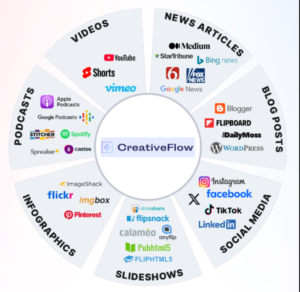
At the same time, SEO has become modern-day multicasting. Your audience searches on YouTube, Reddit, TikTok, ChatGPT, Perplexity, and Google Lens, often in the same afternoon. The brands winning right now stopped treating SEO as a single-channel ranking exercise. They treat it as a multi-surface visibility strategy. Branded search demand is the connective tissue that holds it together.
Quick Takeaways
- Branded search volume is one of the strongest trust signals Google and AI platforms use to measure authority.
- SEO has become modern-day multicasting: show up wherever your audience searches.
- Brands with growing branded search demand recover faster from algorithm updates and earn more AI citations.
- Building branded search requires deliberate awareness investment across multiple platforms.
- Quality content, entities, and technical SEO still matter, but they operate inside a much larger ecosystem.
Why Branded Search Is the Trust Signal Algorithms Can’t Fake
For years, marketers treated branded search as a vanity metric, something that happened as a side effect of other marketing. In 2026, that thinking leaves serious visibility on the table.
The reason is simple. When real people search for your brand name, they tell the algorithm something no backlink or keyword trick can replicate: your brand has genuine recognition. That signal is hard to manufacture, which is exactly why algorithms weight it so heavily.
What the June 2025 Core Update Revealed
The June 2025 Core Update accelerated this trend. Sites with growing branded search volume held stronger rankings stability, even when non-branded keyword positions shifted across their industry.
The message from Google was clear: people actively searching for your brand is a trust signal worth rewarding with better organic placement.
This creates a compounding effect. Brands with strong branded search demand:
- Recover faster from algorithm updates
- Hold rankings more consistently under competitive pressure
- Earn more citations in AI-generated results
That’s the SEO moat purely tactical strategies never build.
How Brand Reputation Now Shows Up as a Ranking Signal
Google has always said E-E-A-T matters: experience, expertise, authoritativeness, and trustworthiness. In 2026, brand reputation is one of the clearest ways those signals show up in practice.
Reviews, mentions across authoritative platforms, social proof, and consistent brand messaging all feed into how Google decides whether your content deserves to rank.
A strong brand helps you convert. It also helps you show up in the first place.
How SEO Became Modern-Day Multicasting
The single biggest strategic shift in 2026: Google is no longer the only search engine that matters for your brand.
Your audience searches on YouTube, TikTok, Instagram, Reddit, ChatGPT, Perplexity, and Google Lens, all in the same day. A strategy built solely around ranking on Google misses the 73% of intent that now happens on other platforms.
Multicasting means you stop chasing a single ranking and start building a presence across the surfaces where your buyers actually research.
Platforms That Now Count as Search Engines
- YouTube – the second largest search engine, now deeply integrated with Google results and AI Overviews.
- Reddit and forums – consistently surfaced in Google results for experience and opinion-based queries.
- TikTok and Instagram – primary search platforms for younger demographics looking for product recommendations.
- ChatGPT, Perplexity, and Google AI Overviews – AI-generated responses that cite and pull from existing web content.
- Google Lens and visual search – rapidly growing for product searches, local search, and how-to queries.
- Podcasts and audio platforms – increasingly indexed and surfaced for informational searches.
The Multicasting Advantage for Branded Search
When your brand shows up consistently across YouTube, Reddit, TikTok, and AI platforms, you create a self-reinforcing visibility loop.
People see your brand name on one platform, remember it, and later search for it directly on Google. That direct brand search lifts your organic results across every platform at once.
Brands doing this early build entity clarity: they help Google and AI systems understand exactly who they are, what they do, and why they matter, before competitors catch up.
How to Build Branded Search Demand on Purpose
Growing branded search should be a deliberate strategy. The most effective tactics share one thing in common: they put your brand name in front of cold audiences consistently, in contexts where your brand is positioned as the answer.
Tactics That Drive Branded Search Growth
- Awareness campaigns that put your brand name in front of cold audiences on platforms where search intent already exists
- Thought leadership content on LinkedIn, YouTube, and industry publications that builds a recognizable point of view
- Reviews and mentions on platforms like Reddit, G2, and Trustpilot, all of which feed into AI-generated search results
- Branded content series with a consistent name that audiences search for directly over time
- PR and digital outreach to earn mentions on authoritative domains that build entity clarity
The Refresh Strategy That Amplifies Branded Search
Before you publish anything new, audit what you already have. Pages ranked in positions 4 through 15 often sit on untapped potential. Refreshing these pages consistently outperforms creating new content for ROI and ranking speed.
A practical refresh process:
- Update any statistics older than 18 months
- Add a first-person insight or expert quote
- Strengthen the introduction to match current search intent
- Improve internal links
- Update meta titles to reflect 2026 language patterns
That process alone has moved pages from position 9 to position 2 for competitive terms. Every refreshed page reinforces your brand entity.
YouTube Is Now a Core SEO Channel
YouTube crossed a threshold in 2026. It’s a primary SEO surface that Google actively integrates into results pages, AI Overviews, and featured snippets.
The compounding effect makes YouTube powerful for multicasting. A single well-optimized YouTube video can:
- Rank on YouTube itself
- Appear in Google’s video carousel
- Get embedded into AI-generated answers
- Support the rankings of your written blog content when embedded on-page
That’s four visibility surfaces from one piece of content.
Where Video Outranks Text
Video consistently outperforms written content for queries involving physical demonstration, step-by-step processes, product comparisons, and personal experience. If someone searches “how to set up a content cluster strategy” or “best project management tools for agencies,” video results capture more clicks because users want to see the answer.
Google indexes YouTube video transcripts. The spoken words in your video function like written content on a webpage. Using natural language, answering specific questions out loud, and structuring your video around a clear topic directly improves how Google surfaces your content.
The Fundamentals Still Anchor Everything
Amid the noise about AI search and platform diversification, here’s what hasn’t changed:
- Keywords still drive content targeting
- Backlinks from authoritative, relevant domains still move rankings
- Page speed and Core Web Vitals still affect crawlability and user experience
- Clear site architecture still helps Google understand your content hierarchy
What’s changed is the context in which fundamentals operate. A well-researched, genuinely useful piece of content optimized for specific search intent will outperform thin AI-generated content every time, in 2019, in 2023, and in 2026.
The brands that kept investing in quality content through every algorithm cycle are sitting on compounding organic assets right now.
Frequently Asked Questions
Is branded search really more important than keyword rankings in 2026?
Both matter. Branded search is the signal that stabilizes everything else. Keyword rankings fluctuate with every algorithm update. Branded search volume grows only when real people recognize and trust your brand, which is why it’s such a reliable trust signal.
How does multicasting affect my SEO budget?
Multicasting doesn’t mean spreading your budget equally across every platform. It means auditing where your specific audience already has search intent and building depth on those two or three channels before expanding. Aim for excellent content on the right platforms, not mediocre content everywhere.
Should I track branded search volume in Google Search Console?
Yes. Filter by queries containing your brand name and watch that trend line over 12 months. It’s one of the most honest indicators of whether your broader marketing is building real audience trust.
Build the Moat Before You Need It
The brands still growing organic traffic in 2026, despite AI Overviews, algorithm volatility, and shrinking click-through rates, have one thing in common: they built content strategies around genuine audience value rather than search engine manipulation.
They invested in branded search demand. They adopted multicasting before their competitors did.
Branded search is the moat that protects you from algorithm shifts. Multicasting fills that moat.
Start by auditing where your audience already searches. Build depth on those platforms. Track your branded search volume as the honest signal of whether your strategy is working.
The brands that act now will compound visibility for years. The brands that wait will start over after the next core update.