
Most real estate agents follow the 10% marketing rule, but Cincinnati’s competitive market might require double that investment. New agents especially need to know why the standard advice could be quietly killing their pipeline before it ever fills up.
Key Takeaways
- Most real estate experts recommend reinvesting 10% of gross commission income (GCI) into marketing – but that’s a floor, not a ceiling.
- New agents typically need to invest 15-20% of projected GCI to build brand recognition from scratch.
- Top producers in highly competitive markets often invest 15-20% of GCI deliberately, because consistent marketing is what sustains their pipeline.
- Cincinnati’s competitive market means local agents may need to budget more aggressively than the national average to stand out.
- How the money is split between digital and offline channels – and whether ROI is tracked – often matters more than the total amount spent.
There’s a number floating around real estate coaching circles that every agent should know: 10%. Spend 10% of what you earn on marketing, and your business will grow. Simple, right? That rule is a starting point, not a strategy. Depending on where an agent is in their career and what market they’re working in, it could be the number that keeps them comfortably busy – or the number that slowly lets their pipeline dry up.
10% of GCI: A Widely Recommended Benchmark – But Not the Whole Story
The 10% rule is real and widely cited. Many real estate coaches, trainers, and industry veterans recommend that agents allocate roughly 10% of their gross commission income back into marketing and lead generation. If an agent closes $500,000 in commissions in a year, that’s $50,000 earmarked for advertising, content, and outreach. For many mid-career agents with a steady referral base, that figure works.
Here’s the catch: some B2B industries spend as little as 2-5% of revenue on lead generation. Real estate is a significant exception. Unlike a product-based business with repeat buyers, agents are constantly competing for the next transaction. Every closed deal is essentially the end of a customer relationship – unless the agent works hard to maintain it. That dynamic makes consistent marketing spend not just advisable, but necessary.
Agencies like Fredette Creative Media work specifically with real estate professionals to translate budget into real marketing output – helping make sense of where the 10% actually goes and how to stretch it further.
Why Real Estate Demands More Than Other Industries
Real estate agents aren’t just selling a service – they’re selling themselves. The agent is the brand. That means every dollar spent on marketing has to work twice as hard: generate leads and build a personal brand that earns trust before a prospect ever picks up the phone.
Branding Is Non-Negotiable
In most service industries, a company’s reputation carries the individual. In real estate, the reverse is largely true. Buyers and sellers choose agents, not brokerages. That means agents need a consistent visual identity, a recognizable voice online, and a presence across multiple channels – none of which happens without dedicated spend.
Brokerages Rarely Cover Enough
Some brokerages offer agents a web presence or occasional co-op advertising support. In reality, that support rarely moves the needle. A profile buried on a brokerage website is not a marketing strategy. Agents who rely solely on brokerage resources almost always find themselves underpowered in competitive markets – and Cincinnati is no exception.
New Agents: Why 10% Often Isn’t Enough
The Need for Higher Initial Marketing Investment
For agents just entering the business, the 10% rule can be misleading. With little to no commission history, 10% of early income might amount to a few hundred dollars per quarter – barely enough for a handful of boosted posts and a stack of business cards. Industry experts consistently advise new agents to plan for 15-20% of projected GCI in early marketing investment to gain traction.
That’s not overspending. That’s buying visibility in a market where nobody knows your name yet.
Building a Brand From Zero
New agents are starting from a blank slate. There are no past clients to refer them, no testimonials to post, no track record to lean on. The marketing budget in year one goes beyond lead generation – it’s about proving that the agent exists, is professional, and is worth trusting. Professional photography, a clean website, social media setup, and some paid advertising aren’t luxuries at this stage. They’re table stakes.
Top Producers Spend More – On Purpose
The 15-20% Tier
It might seem counterintuitive: the agents making the most money also tend to spend the highest percentage on marketing. But it makes sense. Top producers understand that their pipeline didn’t appear by accident – it was built through consistent investment. Highly competitive top agents often push toward the 15-20% GCI range, particularly those targeting significant growth, breaking into luxury listings, or scaling a team. Established solo agents with strong referral networks may maintain a lower spend and stay comfortable, but agents pursuing aggressive growth tend to invest at the higher end of that range. The decision is calculated, not reckless.
How Cincinnati’s Market Shapes Your Budget
A Competitive Market With Modest Price Growth
Cincinnati is not a slow market. It’s an active, competitive one – which changes the math for local agents. In markets with high agent density and limited inventory, standing out requires more than a basic digital presence. Agents competing in popular Cincinnati neighborhoods or targeting move-up buyers in suburban areas need a marketing presence that’s consistent enough to stay top-of-mind across longer decision cycles.
Local Strategies That Move the Needle
In Cincinnati specifically, a combination of hyperlocal content, neighborhood-specific social ads, and community involvement tends to outperform generic national campaigns. Knowing the difference between what works broadly and what works in Oakley, Hyde Park, or West Chester is where local marketing expertise earns its value. Budget allocation in a market like Cincinnati should reflect those nuances – not simply copy what an agent in Phoenix or Dallas is doing.
Where the Money Actually Goes
Digital: Social, Search, and Content
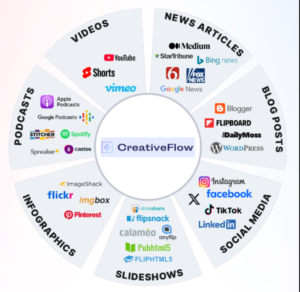
The majority of modern real estate marketing budgets flow into digital channels – and for good reason. Social media advertising allows for precise geographic and demographic targeting. Search engine marketing captures buyers and sellers actively looking for representation. Content marketing, including blog posts, video walkthroughs, and neighborhood guides, builds long-term organic visibility that compounds over time.
- Social media ads (Facebook, Instagram) – strong for awareness and retargeting
- Google search ads – captures high-intent leads actively searching
- Content and SEO – slower to build, but creates lasting inbound traffic
- Email marketing – keeps past clients and warm leads engaged
Offline Still Delivers
Digital dominates, but offline tactics still earn their place – especially in relationship-driven markets like Cincinnati. Direct mail, particularly just-listed and just-sold postcards in targeted neighborhoods, consistently produces results. Community event sponsorships, local print placements, and door-knocking campaigns build the kind of face-to-face recognition that no algorithm can fully replicate. A diversified budget that doesn’t abandon offline entirely tends to outperform a purely digital approach.
Track ROI or Risk Wasting Every Dollar
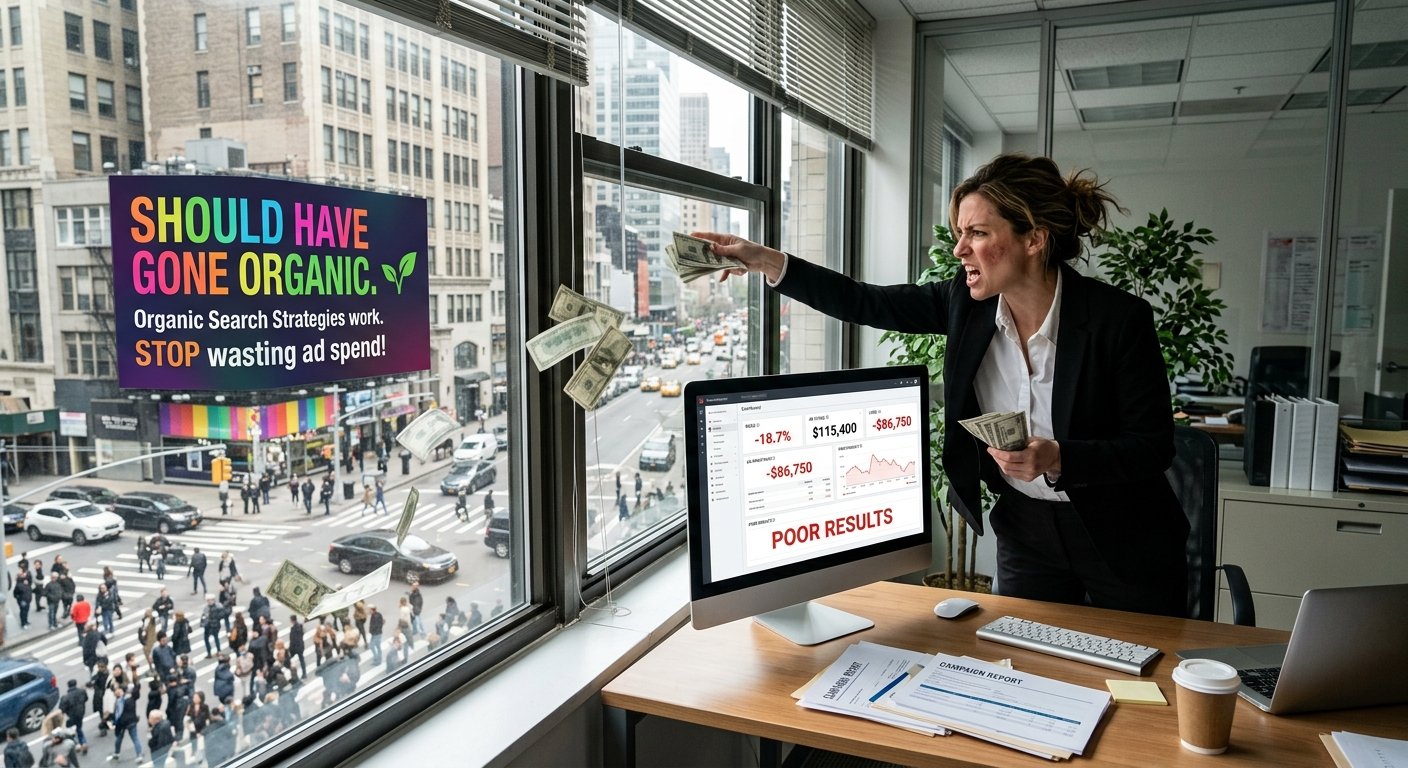
Spending money on marketing without tracking results is one of the most common – and costly – mistakes agents make. A $2,000 Facebook ad campaign that generates one closed deal is a success. A $500 mailer with zero response rate is a lesson. The only way to know which is which is to track where every lead came from and what it cost to generate it.
Simple tracking habits go a long way: ask every new lead how they found you, use UTM parameters on digital ads, and review spend against closed transactions quarterly. Over time, this data makes every future budget decision smarter. Agents who treat marketing like an investment – with expected returns and performance reviews – consistently outperform those who treat it like an expense.
Commit to a Marketing Budget Before the Leads Run Dry
The most dangerous time to cut a marketing budget is when business slows down. That’s exactly when visibility matters most – and exactly when undisciplined agents pull back. Agents who maintain consistent spend through slow periods are the ones whose phones keep ringing when the market picks back up.
The 10% rule is a proven starting point, not a permanent ceiling. Whether an agent is new and needs to push toward 15-20%, or an established producer ready to scale, the principle is the same: commit to a number, spend it strategically, and track every dollar.
For agents looking to sharpen their marketing approach, Fredette Creative Media / Creative Flow offers creative and strategic support built specifically for real estate professionals.